Formic acid is the simplest member of the carboxylic acid family, yet it plays an increasingly important role across traditional chemical manufacturing and emerging sustainable technologies. For decades, formic acid has been valued as an industrial chemical used in leather processing, textile manufacturing, agriculture, rubber production, and de-icing applications. More recently, however, it has attracted growing attention from researchers and technology developers because of its potential role in the energy transition and green chemistry. Unlike many mature commodity chemicals whose applications have remained relatively stable, formic acid is now positioned at the intersection of established industrial demand and emerging low-carbon innovation. For procurement professionals, understanding both its current commercial uses and its evolving strategic significance provides valuable context for evaluating supplier investments, future demand trends, and long-term market opportunities. As industries pursue cleaner production methods and alternative energy systems, formic acid is increasingly viewed not only as a specialty chemical but also as a promising platform molecule for sustainable technologies.
Commercial formic acid is primarily produced through a process that begins with the reaction of Carbon monoxide and Methanol to form Methyl formate. This intermediate is subsequently hydrolysed with water to produce formic acid while regenerating methanol for reuse within the production cycle. This integrated manufacturing route provides efficient large-scale production and remains the dominant commercial process worldwide. In addition, formic acid is also recovered in certain industrial operations as a by-product, including some Acetic acid manufacturing processes, where it contributes to overall production efficiency through by-product utilisation. These production pathways allow manufacturers to supply formic acid to a wide range of industries that rely on its acidity, reducing properties, preservative characteristics, and biodegradability. Its versatility has made it an established component of numerous industrial supply chains despite its relatively simple chemical structure.
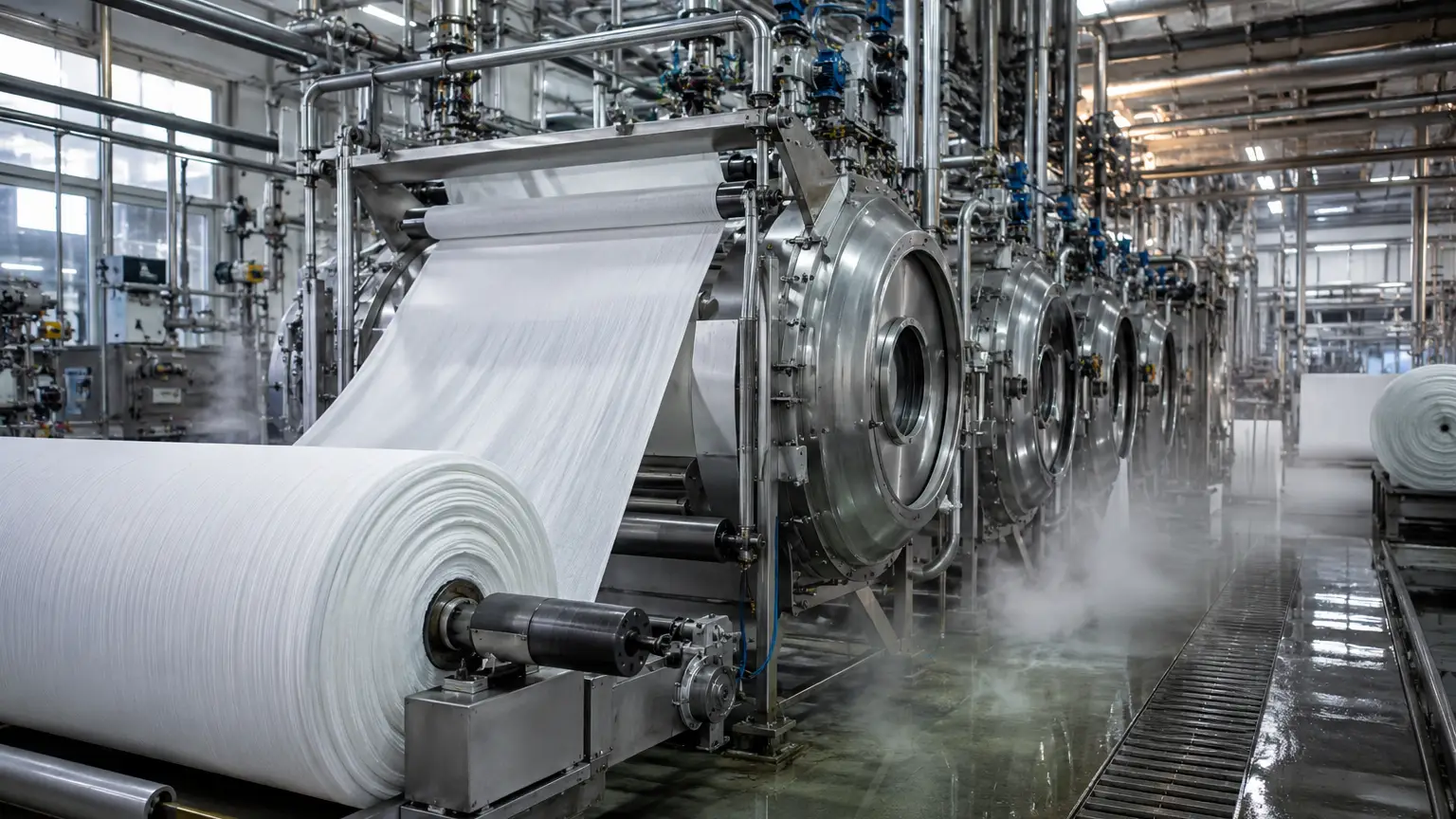
Historically, formic acid has served several well-established industrial markets. In the leather industry, it is used during tanning and pH adjustment processes to improve hide treatment and finishing quality. In textile manufacturing, formic acid supports dyeing and finishing operations where controlled acidity is required for consistent processing. The animal nutrition sector uses formic acid as a preservative to improve feed stability and inhibit microbial growth, while its antimicrobial properties also support silage preservation in agriculture. Formic acid is additionally employed in de-icing formulations, rubber processing, pharmaceutical intermediates, cleaning products, and a variety of specialty chemical applications. These traditional uses continue to provide a stable commercial demand base across multiple industries, giving procurement professionals confidence in its long-established industrial relevance. However, the most dynamic area of current interest lies beyond these conventional markets and increasingly centres on formic acid's potential contribution to sustainable energy systems.
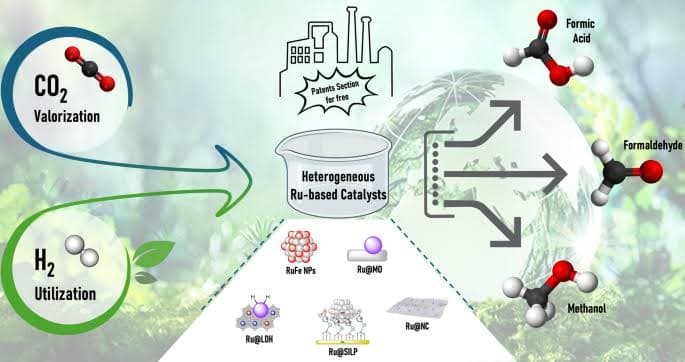
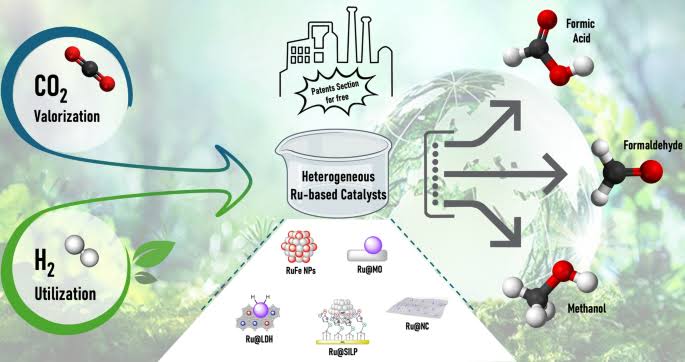
Researchers are actively investigating formic acid as a hydrogen carrier because it can store hydrogen in a stable liquid form and release it when required using suitable catalytic systems. Compared with transporting or storing compressed hydrogen gas, liquid formic acid offers practical advantages in handling, infrastructure compatibility, and transportation. Although these technologies are still developing and commercial adoption remains at an early stage, they have attracted significant investment from universities, research institutions, and clean-energy developers seeking efficient methods of hydrogen storage and distribution. Beyond hydrogen applications, formic acid is also being explored as a renewable chemical feedstock capable of supporting lower-carbon manufacturing pathways in future green chemistry systems. These emerging opportunities do not replace its established industrial markets but rather expand its long-term strategic importance. For procurement professionals, this means supplier capabilities, production investments, and market dynamics may increasingly reflect both traditional industrial demand and innovation driven by the global energy transition. Understanding this dual role helps buyers interpret future developments more effectively, evaluate supplier strategies, and appreciate why formic acid has become an increasingly important chemical within discussions of sustainable manufacturing and low-carbon technologies.
Looking for specialty chemical procurement intelligence or green chemistry market insights? Understanding formic acid's established industrial applications and emerging role in sustainable energy systems helps buyers evaluate long-term sourcing opportunities and future market developments.
Formic Acid CAS: 64-18-6