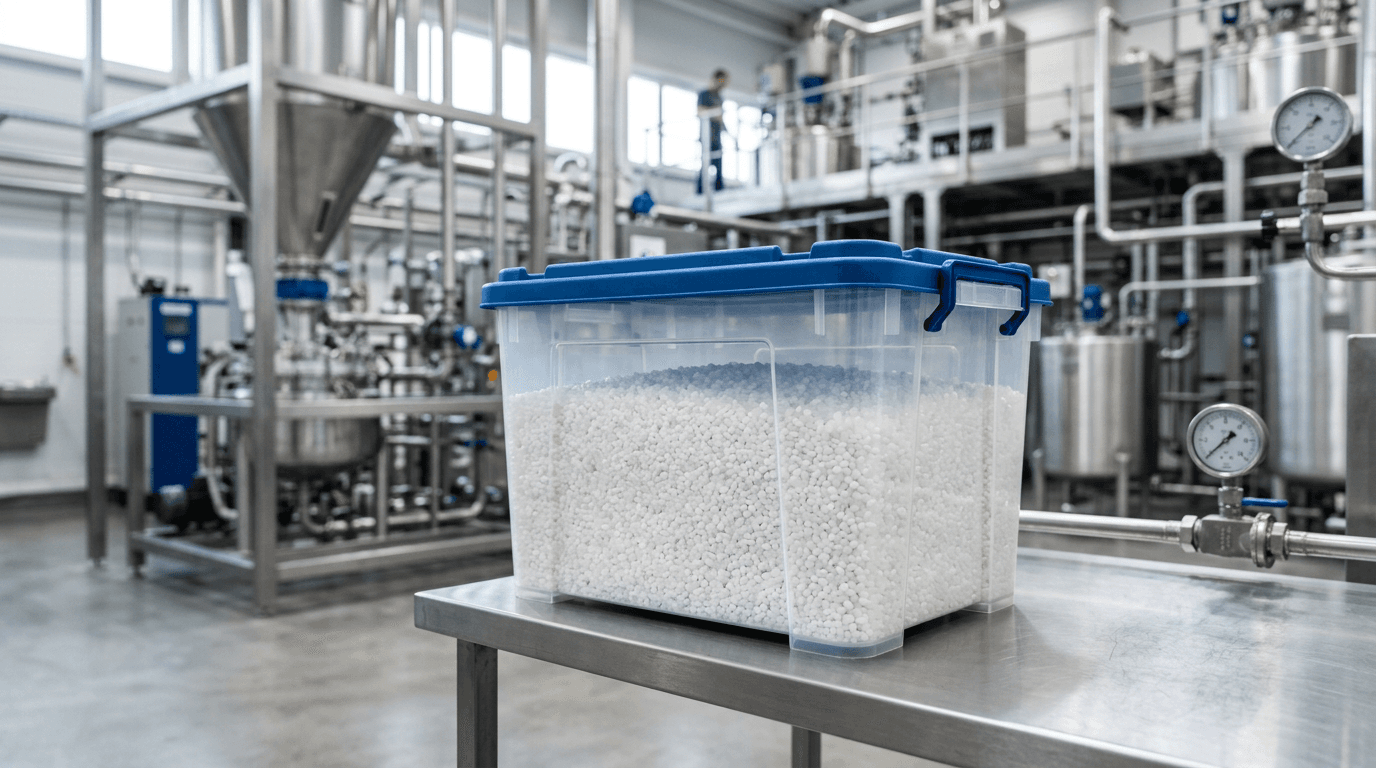
Polyethylene terephthalate (PET) is one of the most widely produced polymers in the global chemical industry. It forms the foundation of countless beverage bottles, food packaging, polyester textiles and industrial fibres. While many buyers recognise PET as a packaging material, its supply chain begins much further upstream with two essential chemical intermediates, purified terephthalic acid (PTA) and monoethylene glycol (MEG).
For procurement professionals, understanding how PET is manufactured and how demand differs between packaging and textile markets provides valuable insight into the PTA and MEG markets. Changes in either downstream segment can influence feedstock demand, production planning and long-term sourcing strategies.
How PET Is Manufactured
Commercial PET production combines two primary raw materials:
Purified terephthalic acid (PTA).
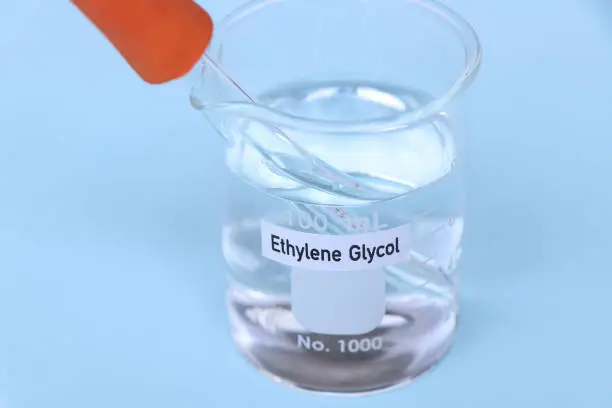
Monoethylene glycol (MEG).
Manufacturing begins with esterification, where PTA reacts with MEG to form intermediate compounds.
The material then undergoes polycondensation, producing long polymer chains that become polyethylene terephthalate resin.
Although the basic chemistry is consistent across the industry, further processing depends on the final product being manufactured.
PTA and MEG Form the Foundation of the PET Value Chain
PET production links directly to upstream petrochemical markets.
PTA is produced primarily from paraxylene, while MEG is commonly manufactured from ethylene.
This creates a connected supply chain extending from:
Crude oil and natural gas.
Aromatics production.
Olefins production.
PTA and MEG manufacturing.
PET resin production.
Packaging and textile applications.
Because every stage influences the next, procurement teams often monitor upstream feedstocks as closely as downstream demand.
Bottle-Grade PET Serves the Packaging Industry
Bottle-grade PET is widely used for:
Bottled water.
Soft drinks.
Edible oils.
Food containers.
Packaging applications require excellent clarity, strength and resistance to gas permeability.
To achieve these properties, bottle-grade PET typically undergoes solid-state polymerisation (SSP) after conventional polycondensation.
This additional processing stage increases molecular weight and helps achieve the required material performance.
Fibre-Grade PET Supports the Textile Industry
Fibre-grade PET follows a different manufacturing pathway after polymerisation.
Instead of producing bottle resin, manufacturers process the polymer into fibres used in:
Polyester clothing.
Home textiles.
Carpets.
Industrial fabrics.
These applications require processing characteristics that differ from beverage packaging, resulting in different product specifications.
Consequently, fibre producers and bottle manufacturers often operate within separate commercial supply chains despite using the same basic polymer.
Why Intrinsic Viscosity Matters
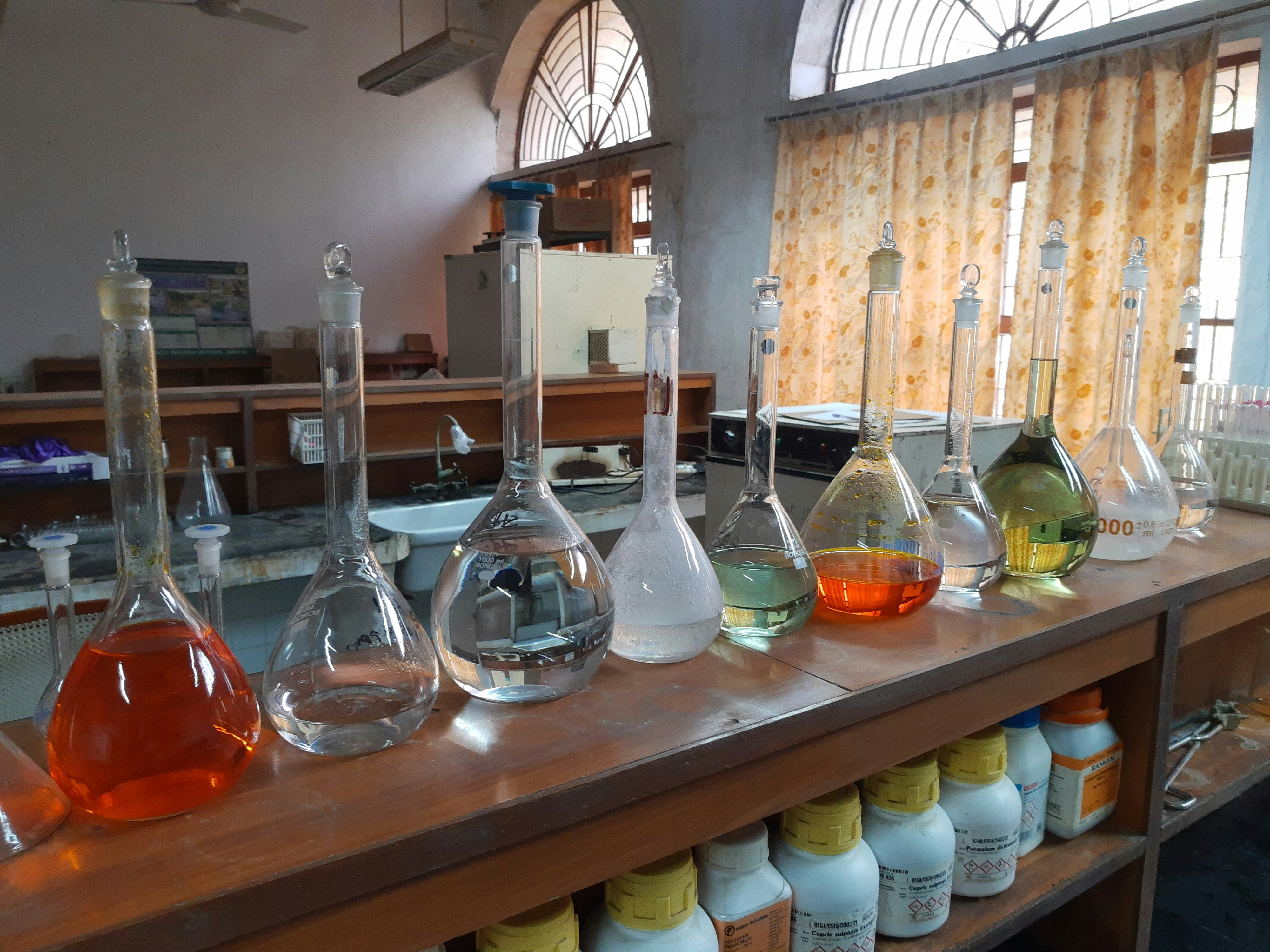
One of the key technical differences between bottle-grade and fibre-grade PET is intrinsic viscosity (IV).
Intrinsic viscosity reflects the polymer's molecular characteristics and influences processing behaviour and final product performance.
Bottle-grade PET generally requires a higher intrinsic viscosity to provide the strength and durability needed for pressure-resistant beverage containers.
Fibre-grade PET is produced according to different performance requirements, allowing manufacturers to optimise the material for spinning, drawing and textile processing.
Although procurement professionals do not usually specify intrinsic viscosity directly, understanding this distinction helps explain why the two products cannot always substitute for one another.
Two End Markets Drive PET Demand
The PET industry depends on two large but independent demand segments.
Packaging demand is influenced by:
Beverage consumption.
Food packaging.
Consumer goods.
Textile demand responds to:
Clothing production.
Home furnishings.
Carpet manufacturing.
Industrial fibre applications.
These markets often experience different economic cycles, seasonal patterns and regional growth trends.
As a result, PET demand rarely moves uniformly across all applications.
Why PTA and MEG Buyers Should Monitor Both Segments
Procurement professionals purchasing PTA or MEG sometimes focus primarily on one downstream market.
However, both bottle-grade and fibre-grade PET influence feedstock demand.
For example:
Strong beverage packaging demand can increase PTA and MEG consumption even if textile markets remain weak.
Expanding polyester fibre production may support feedstock demand during slower packaging growth.
Monitoring both sectors provides a more complete understanding of market fundamentals.
Procurement Considerations Across the Supply Chain
When evaluating PET-related procurement strategies, buyers should consider:
PTA availability.
MEG market conditions.
Packaging industry demand.
Textile sector performance.
Producer operating rates.
Regional production capacity.
Looking beyond finished PET prices and understanding upstream and downstream market dynamics helps procurement teams anticipate changes in feedstock demand and supply availability.
The Bottom Line for Procurement Teams
Polyethylene terephthalate is far more than a packaging polymer. Its production connects PTA and MEG with two of the world's largest manufacturing sectors, beverage packaging and polyester textiles. Although both bottle-grade and fibre-grade PET share the same chemical foundation, they differ in processing technology, intrinsic viscosity requirements and commercial supply chains.
For procurement professionals, understanding these distinctions provides valuable insight into the broader PET value chain. Monitoring demand across both packaging and textile markets helps buyers interpret feedstock trends more accurately and build stronger long-term sourcing strategies for PTA, MEG and PET products. Ready to source polyethylene terephthalate from verified global suppliers? Explore competitive offers on our platform today.
Polyethylene Terephthalate (PET) CAS: 25038-59-9