MEG and the Polyester Supply Chain: Understanding the Structural Demand for Ethylene Glycol
Introduction
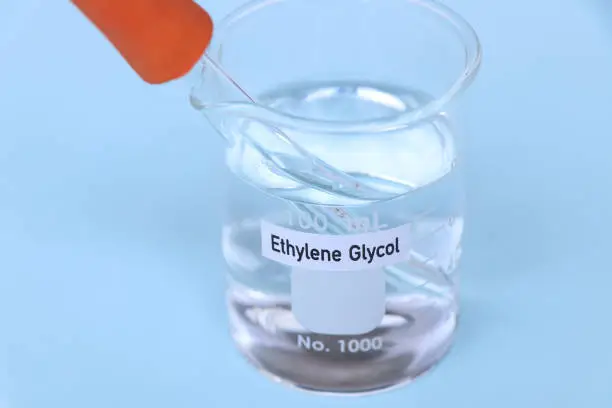
Monoethylene Glycol (MEG), commonly known as ethylene glycol, is one of the most important building blocks in the global petrochemical industry. While it is widely recognized for its use in antifreeze and industrial coolants, its largest application is in the production of polyester fibers and polyethylene terephthalate (PET) resins. Together, these industries account for the majority of global MEG consumption.
As global demand for textiles, beverage packaging, and consumer goods continues to grow, the structural demand for MEG remains strong despite periodic market fluctuations. For procurement professionals, manufacturers, and chemical buyers, understanding the relationship between MEG and the polyester value chain is essential for developing resilient sourcing strategies and anticipating future market trends.
This article explores the role of MEG in polyester production, the factors driving long-term demand, and the procurement implications for downstream industries.
What Is Monoethylene Glycol (MEG)?
Monoethylene Glycol is an organic chemical produced primarily by reacting ethylene oxide with water. It is a colorless, odorless liquid with excellent chemical stability and is widely used as a feedstock in industrial manufacturing.
Major applications include:
Polyester fiber production
PET resin manufacturing
Beverage bottles
Packaging materials
Automotive coolants
Industrial heat transfer fluids
Unsaturated polyester resins
Among these applications, polyester manufacturing remains the largest consumer of global MEG production.
How MEG Supports the Polyester Value Chain
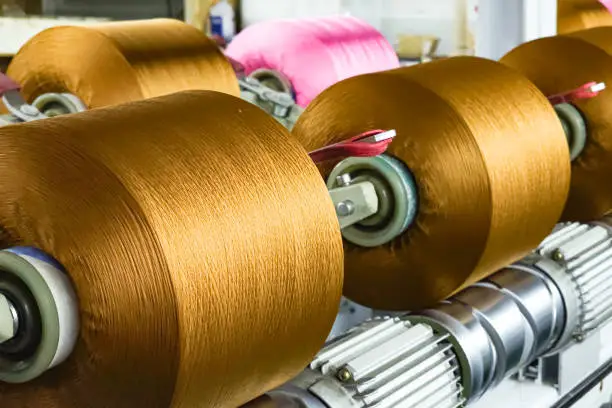
MEG reacts with purified terephthalic acid (PTA) to produce polyethylene terephthalate (PET), one of the world's most widely used polymers.
PET is then converted into products such as:
Textile fibers
Clothing fabrics
Beverage bottles
Food packaging
Industrial films
Home furnishings
Automotive textiles
Medical packaging
Because polyester products are used across numerous industries, demand for MEG remains closely tied to global manufacturing and consumer consumption.
Why Structural Demand Remains Strong
Unlike short-term market cycles, structural demand refers to long-term consumption driven by fundamental economic and industrial factors.
Several trends continue to support MEG demand.
Growth in Polyester Fiber Consumption
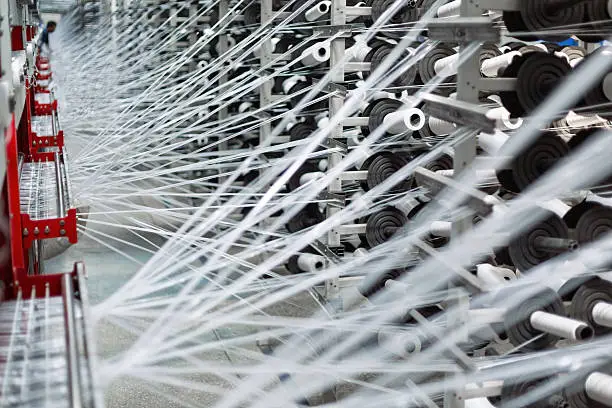
Polyester remains the world's most widely used synthetic fiber due to its durability, affordability, and versatility. Expanding populations and rising consumer demand for apparel continue to support long-term polyester production.
Expansion of PET Packaging
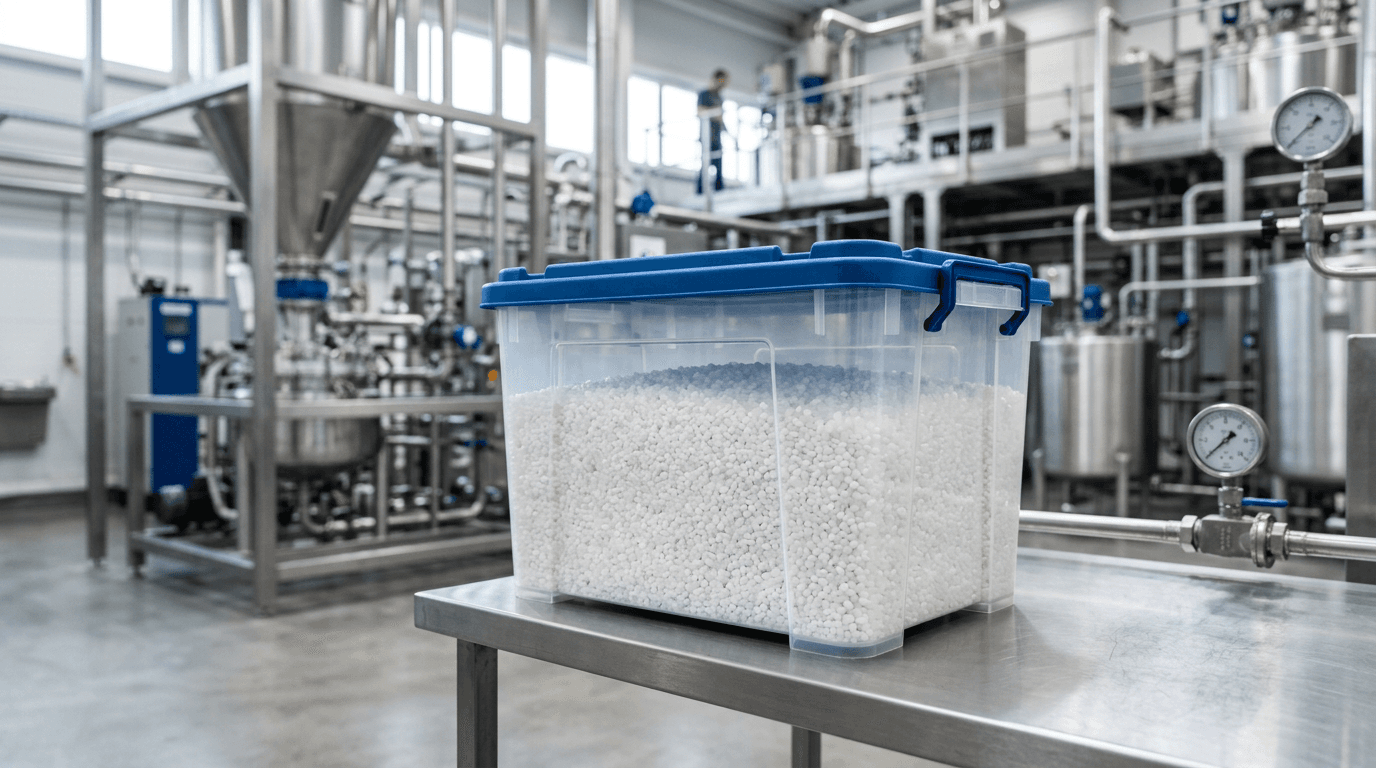
The beverage, food, and consumer goods industries continue to rely heavily on PET bottles and containers because of their lightweight design, strength, and recyclability.
Urbanization and Industrial Development
Growing infrastructure, manufacturing, and consumer markets increase demand for polyester-based products used in construction, transportation, and household goods.
Expanding Emerging Markets
Developing economies continue to experience rising consumption of textiles, packaged products, and industrial materials, supporting sustained MEG demand.
Factors Influencing MEG Supply
Although long-term demand remains positive, supply conditions continue to evolve.
Key market influences include:
Feedstock Availability
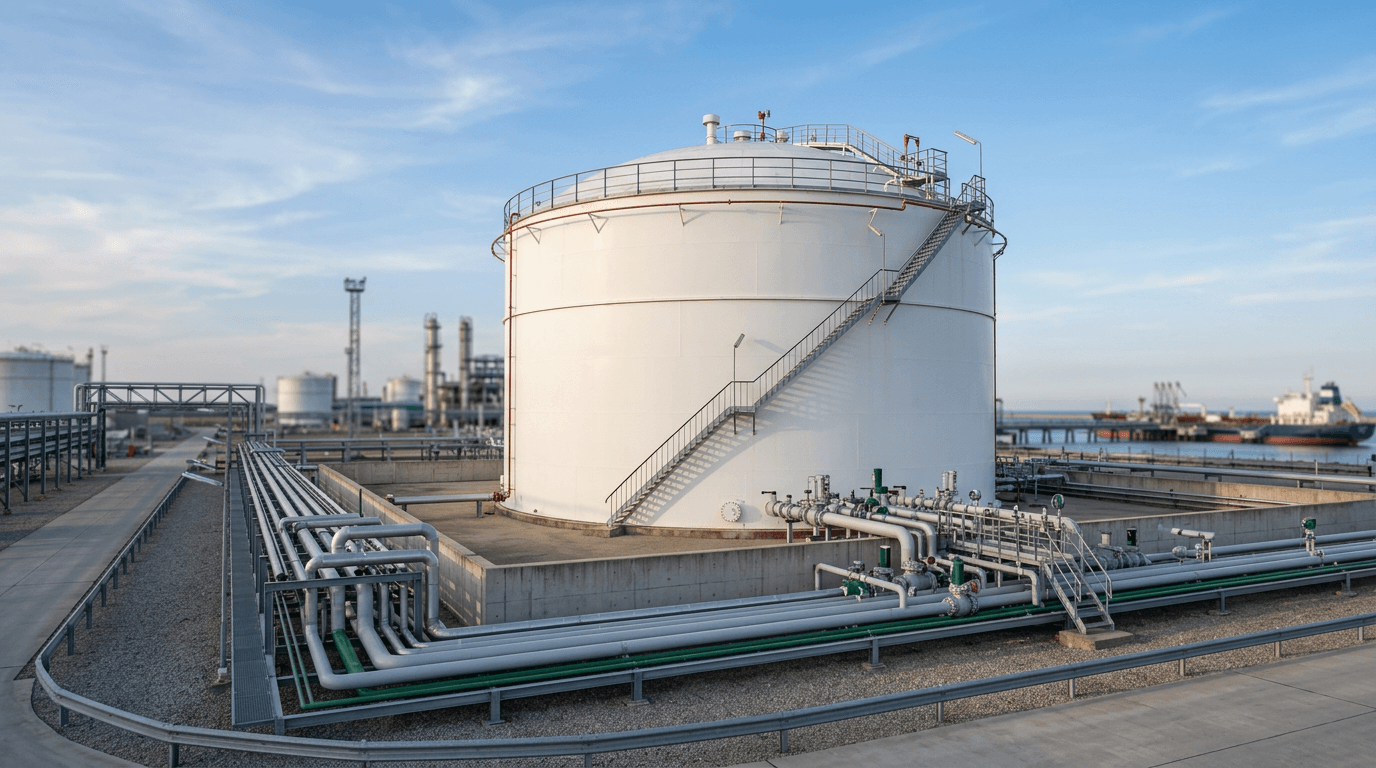
MEG production depends on the availability of ethylene and ethylene oxide, making feedstock markets an important driver of production costs.
Petrochemical Capacity Expansion
New integrated petrochemical complexes, particularly in Asia and the Middle East, continue to increase global MEG production capacity.
Energy Prices
Natural gas and crude oil markets influence production economics and global competitiveness.
Environmental Policies
Sustainability initiatives and carbon reduction strategies may affect future investment decisions and production technologies.
Procurement Considerations for Chemical Buyers
Chemical procurement teams should adopt long-term sourcing strategies to manage changing market conditions.
Diversify Supplier Networks
Working with suppliers across multiple regions reduces dependence on individual markets and improves supply resilience.
Monitor Capacity Developments
Track announcements regarding new production facilities, maintenance shutdowns, and capacity utilization to anticipate supply changes.
Strengthen Market Intelligence
Regularly review pricing trends, feedstock costs, and regional supply-demand balances to support informed purchasing decisions.
Evaluate Total Landed Cost
Procurement decisions should consider freight, storage, logistics, import duties, and inventory costs rather than focusing solely on product pricing.
Build Strategic Supplier Partnerships
Long-term collaboration improves supply continuity and enhances communication during periods of market volatility.
Sustainability Is Influencing the Future of MEG
The petrochemical industry is investing in more sustainable production methods as customers and regulators place greater emphasis on environmental performance.
Emerging developments include:
Bio-based MEG production
Chemical recycling technologies
Improved energy efficiency
Circular economy initiatives
Recycled PET manufacturing
Lower-carbon production processes
These innovations are expected to influence procurement decisions over the coming years.
Market Outlook
Industry analysts expect global demand for MEG to remain closely linked to the continued expansion of polyester fibers and PET packaging. While short-term pricing may fluctuate due to economic conditions, the long-term outlook remains supported by steady demand from textile, packaging, and manufacturing industries.
Procurement professionals should continue monitoring regional capacity additions, feedstock availability, sustainability initiatives, and global trade developments to adapt sourcing strategies as the market evolves.
Conclusion
Monoethylene Glycol remains one of the most important petrochemical feedstocks supporting the global polyester industry. Its role in textile production, PET packaging, and industrial manufacturing creates a strong structural demand that extends well beyond temporary market cycles.
For procurement professionals, understanding the relationship between MEG, polyester production, and global supply dynamics is essential for building resilient sourcing strategies. By combining supplier diversification, market intelligence, long-term planning, and sustainability considerations, organizations can better manage procurement risks while ensuring reliable access to this critical chemical feedstock.
Diethylene Glycol CAS: 111-46-6